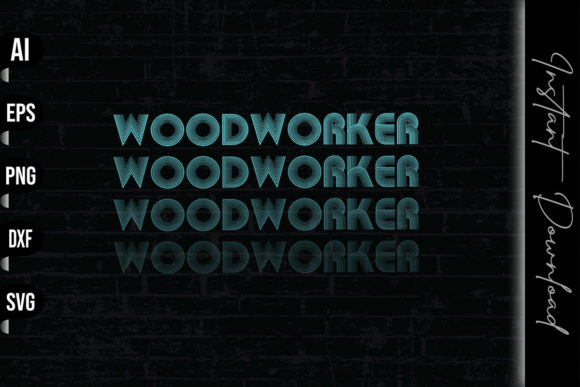
Woodworker Retro Color
As an embroidery designer and product reviewer, I’ve seen my fair share of print-ready designs. But when I first laid eyes on Woodworker Retro Color, it immediately stood out for its nostalgic charm and versatile appeal. This design feels like a throwback to the golden age of craftsmanship, with its bold lines, warm color palette, and clean layout. It’s the kind of piece that makes you want to reach for your sewing machine and start stitching right away.
The First Impression: A Design That Speaks Volumes
Woodworker Retro Color exudes a sense of authenticity and timelessness. The shape is balanced, the theme is clear, and the layout is well-structured. It’s not overly complicated, which is a big plus for those looking for something that translates well into embroidery without requiring excessive detail. The visual personality of this design leans into a classic, handcrafted aesthetic—perfect for anyone wanting to add a touch of vintage flair to their work.
Its simplicity also means it can be adapted to a wide range of projects. Whether you're working on custom apparel, tote bags, or even baby items, this design has the potential to elevate the final product. It’s the kind of embroidery file that can serve as a focal point without overwhelming the overall look.
Real-Life Embroidery Scenarios: Where Does It Shine?
I tested Woodworker Retro Color on a few different materials and projects to see how it performed in real-life situations. On a standard t-shirt, it looked great—clean, clear, and visually appealing. The stitch density was just right, and the design didn’t require too much stabilization. For a sweatshirt, the same held true. It added a nice touch without being too busy.
One of the most interesting applications I tried was on a custom tote bag. The design looked fantastic on a cotton canvas, and the colors popped nicely against the fabric. It would make a great addition to a craft fair booth or an Etsy shop, especially if you’re targeting customers who love handmade products or personalized gifts.
For baby items, such as onesies or burp cloths, the design worked well too. The retro vibe paired nicely with soft fabrics, and the colors were gentle enough for a nursery setting. It’s also a solid choice for holiday embroidery, whether it’s for a Christmas gift or a birthday present.
Where to Be Cautious: Potential Pitfalls
While Woodworker Retro Color is a strong design, there are a few areas where it might not perform as well. If you're working with small hoop sizes, this design could be challenging due to its size and complexity. You may need to split it into sections or use a larger hoop to ensure all elements are stitched properly.
On textured fabrics, the design might not show up as clearly as it would on smooth materials. Thin or stretchy fabrics could also be an issue, as they might cause the stitches to pucker or distort. Dark fabrics may require a different thread color to ensure visibility, and layered garments might need extra stabilizer to prevent shifting during stitching.
Curved surfaces like caps or hoods can be tricky with this design, especially if the corners or edges are intricate. Tiny lettering or dense stitch areas might not hold up well under repeated washing, so it’s important to consider the durability of the finished product.
Visual Appeal and Customer Perception
Woodworker Retro Color has a lot of visual appeal, but it's not just about looks—it’s also about how it affects customer perception. When someone sees this design on a product, they immediately associate it with quality, craftsmanship, and attention to detail. That’s powerful, especially for small business owners or Etsy sellers trying to build trust with their audience.
This design can enhance the value of a handmade product, making it more desirable and increasing the perceived worth of the finished item. It also helps with brand consistency, as it can be used across multiple products in a collection. For a boutique or a craft business, having a design that fits well with your branding is a huge advantage.
Practical Designer Notes: What to Keep in Mind
Before using Woodworker Retro Color in your own projects, there are a few key steps to follow. First, always test the design on scrap fabric to see how it looks and behaves. Check the thread color contrast to ensure it works well with your chosen fabric. Review the stitch density to make sure it’s suitable for your project’s needs.
Confirm the hoop size required for the design, and inspect small details to ensure nothing gets lost during stitching. Test it in black and white mockups to see how it looks without color. Compare it on light and dark fabric backgrounds to determine the best fit. Use the proper stabilizer to keep everything in place, and check whether the design works for both personal and commercial use.
Finally, always confirm the licensing terms before selling finished items or digital products. Even though Woodworker Retro Color is described as a print-ready design, it’s important to verify what you’re allowed to do with it to avoid any legal issues down the line.
Final Thoughts: A Versatile Design for the Right Projects
Woodworker Retro Color is a solid choice for designers, crafters, and small business owners looking for a reliable and stylish embroidery file. Its retro aesthetic and clean layout make it adaptable to a wide range of projects, from custom apparel to personalized gifts. It’s a design that can elevate your work and help you stand out in a competitive market.
However, like any embroidery design, it’s not one-size-fits-all. Knowing where it shines and where it might need some extra care is essential for getting the best results. With the right approach, Woodworker Retro Color can become a valuable asset in your design toolkit, helping you create beautiful, professional-looking finished products that customers will love.