Retro Vintage Sunset 14
As a designer and embroidery product reviewer, I’ve seen my fair share of machine embroidery designs. Some are beautiful but impractical, others are functional but lack soul. Retro Vintage Sunset 14 falls into the latter category—it’s a design that feels like it belongs in a vintage postcard, with a warm, nostalgic energy that could elevate a variety of projects. But before jumping into using it for client work or selling it as a digital product, it’s important to understand how it performs in real-world scenarios.
The First Impression: A Nostalgic Mood
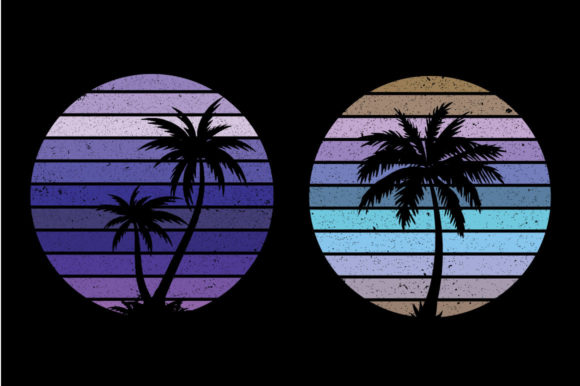
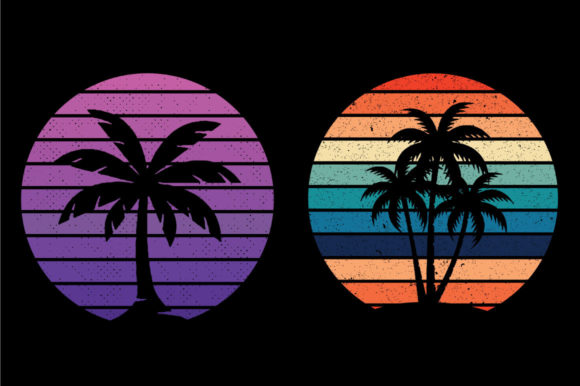
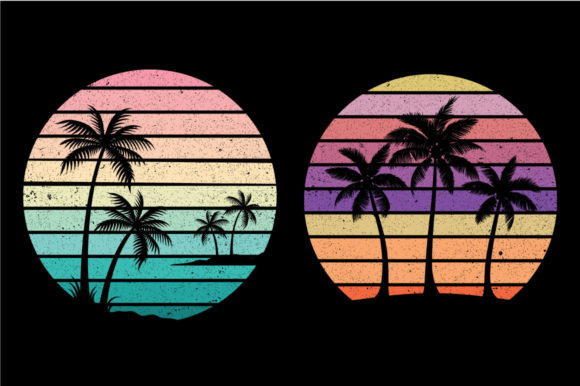
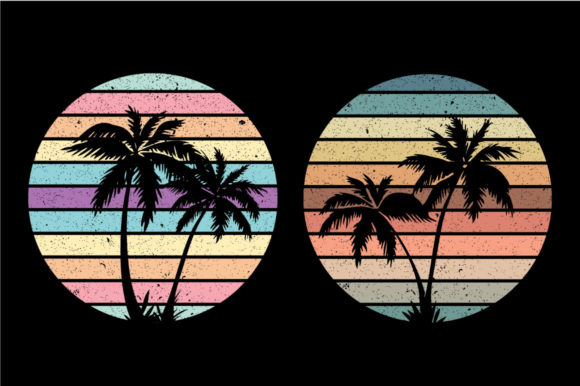
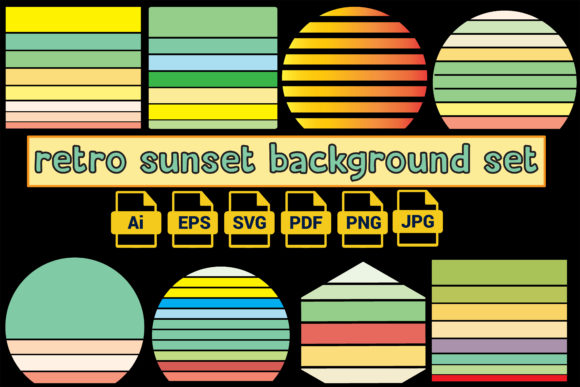
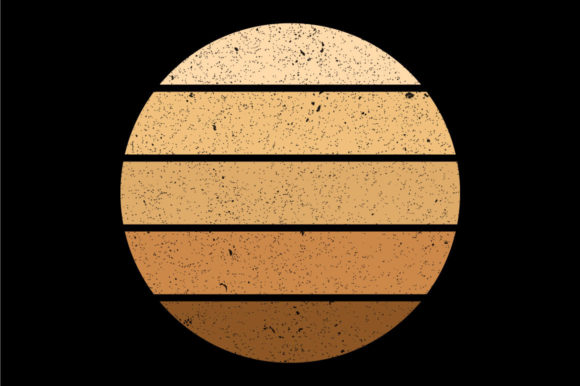
Retro Vintage Sunset 14 immediately evokes a sense of warmth and simplicity. The design features soft gradients, a stylized sun setting over a landscape, and subtle textures that suggest an old photograph. It has a visual personality that leans toward classic Americana—think mid-century posters, retro travel brochures, and vintage home decor. The layout is clean, with enough detail to make it interesting without being overwhelming. This makes it ideal for projects that aim to feel handcrafted, like custom apparel, baby items, or personalized gifts.
The design’s theme is clearly centered around nostalgia, which can be a powerful emotional trigger for customers. Whether it’s used on a tote bag, a sweatshirt, or a patch, it has the potential to create a strong visual connection with buyers who appreciate vintage aesthetics.
Real-World Embroidery Performance
When considering how Retro Vintage Sunset 14 performs in actual embroidery situations, there are several factors to take into account. The design’s level of detail and stitch density mean it works best on flat, stable surfaces. For example, if you’re planning to use it on a tote bag or a sweatshirt, the design should hold up well, especially if you’re using a medium to large hoop size. However, smaller hoop sizes might struggle with the more intricate parts of the design, such as the background gradients or the finer details of the sunset.
For projects like embroidered patches or applique designs, the design’s structure is solid. The satin stitches and fill stitches are consistent, which helps maintain clarity. That said, if you’re working with textured fabrics—like denim or canvas—the design may not sit as smoothly as it would on a smoother material. It’s also worth noting that thin or stretchy fabrics could cause the stitches to pucker or distort, especially in areas with dense stitching.
If you're using this design for baby items, such as onesies or blankets, the softness of the colors and the gentle lines make it a good fit. But again, testing on scrap fabric first is essential to ensure the design looks as intended on the final product.
Where to Use It Carefully
While Retro Vintage Sunset 14 is versatile, there are some situations where it might not perform as well. For instance, if you’re trying to stitch it onto a cap or a curved surface, the design’s layout might not translate well. Curved areas can distort the shape of the design, making it look uneven or stretched. Similarly, if you’re working with dark fabrics, the contrast between the design and the background may be less effective unless you choose the right thread colors.
Another area to be cautious about is detailed corners or tiny lettering. If the design includes any text, check that it’s legible at the scale you plan to use. Also, avoid using it on garments that will be washed frequently, as repeated washing can cause the stitches to fade or loosen over time.
Impact on Visual Appeal and Customer Perception
One of the key strengths of Retro Vintage Sunset 14 is its ability to enhance the visual appeal of a finished product. When stitched correctly, it adds a touch of elegance and character that can set a product apart from generic options. This is particularly valuable for small business owners, Etsy sellers, and crafters looking to stand out in a crowded market.
From a customer perspective, the design’s nostalgic vibe can increase the perceived value of a handmade product or personalized gift. It’s the kind of design that people might remember, share, or even display as part of their home decor. This makes it a great choice for holiday gifts, wedding favors, or boutique merchandise that needs to feel special.
However, the success of the design ultimately depends on how well it’s executed. Poorly stitched or improperly stabilized embroidery can turn a beautiful design into a disappointment. That’s why it’s crucial to test the design on different materials and pay close attention to stitch density and stabilizer use.
Practical Designer Notes
Before committing to using Retro Vintage Sunset 14 in a project, here are a few practical tips to keep in mind:
- Test on scrap fabric to see how the design looks and behaves on your chosen material.
- Check thread color contrast against the fabric to ensure visibility and harmony.
- Review stitch density to avoid issues with puckering or distortion.
- Confirm hoop size to ensure the design fits comfortably and doesn’t require excessive re-hooping.
- Inspect small details like corners or fine lines to make sure they come out crisp.
- Test in black and white mockups to assess how the design looks without color.
- Compare light and dark fabric backgrounds to determine the best application.
- Use proper stabilizer for delicate or stretchy fabrics to prevent shifting.
- Confirm licensing before selling finished items or digital products.
These steps can help you avoid common pitfalls and ensure that Retro Vintage Sunset 14 meets your expectations in both appearance and functionality.
Final Thoughts: A Design Worth Considering
Retro Vintage Sunset 14 is a design that brings a unique blend of nostalgia and artistry to embroidery projects. It has the potential to enhance a wide range of products, from custom apparel to handmade gifts, as long as it’s used thoughtfully. While it may not be perfect for every application, its visual appeal and versatility make it a strong candidate for many creative entrepreneurs and crafters.
If you’re looking for a design that feels authentic and timeless, Retro Vintage Sunset 14 is definitely worth exploring. Just remember to approach it with the same care and attention you’d give to any other embroidery file, and you’ll likely end up with a finished product that resonates with your audience.