Retro Sunset Circle Design 37
As an embroidery designer with years of experience, I’ve seen my fair share of digital files. Some are well-structured, others are messy, and a few fall into the “just okay” category. Retro Sunset Circle Design 37 sits in that middle ground—functional but with room for refinement. Let’s break it down from a practical perspective, focusing on real-world use cases, potential pitfalls, and how it might fit into your creative or business workflow.
The First Impression: A Nostalgic Visual That Demands Attention
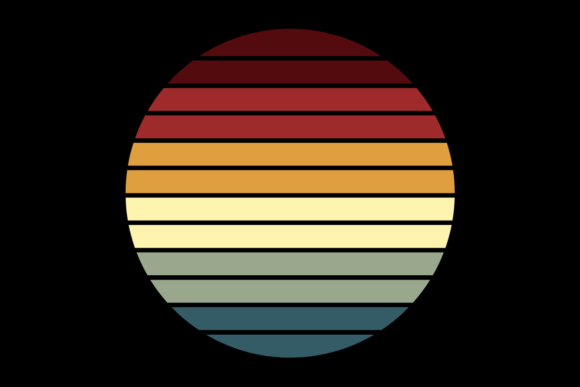
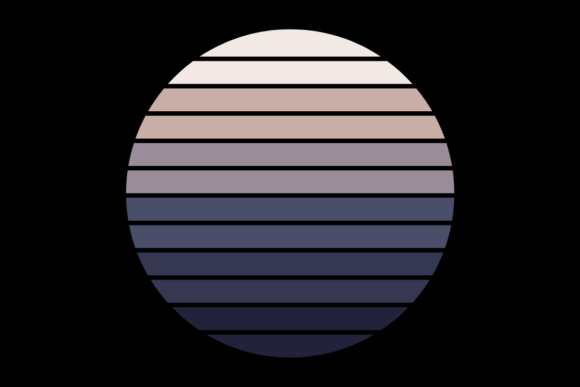
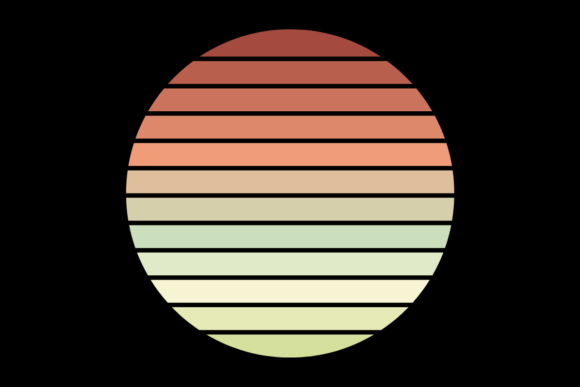
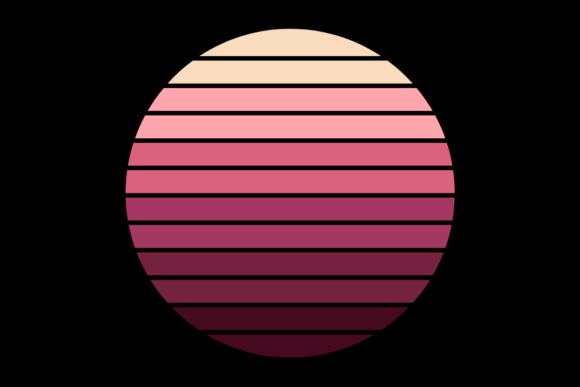
When I first opened Retro Sunset Circle Design 37, the retro vibe was immediately apparent. The design features a circular composition with a gradient sunset, soft edges, and a vintage aesthetic that feels both timeless and modern. It’s the kind of design that could work well as a standalone element or as part of a larger pattern. The layout is clean, with enough detail to make it visually interesting without being overwhelming.
This design would naturally lend itself to custom apparel, especially items like tote bags, sweatshirts, and baby clothes. The circular shape makes it ideal for patches, caps, or even pillow covers. It’s not overly complex, which means it can be adapted to different fabric types and project scales without too much hassle.
Real-World Embroidery Performance: What Works and What Doesn’t
Testing Retro Sunset Circle Design 37 on a variety of fabrics showed mixed results. On smooth, medium-weight materials like cotton or polyester blends, it performed well. The stitch density is moderate, which is good for most standard embroidery machines. However, if you’re working with thin or stretchy fabric, you may need to adjust your stabilizer setup to prevent puckering or distortion.
The design uses a combination of satin stitch and fill stitch, which gives it a polished look. But there are areas where the detail could be improved. For instance, the corners of the circle aren’t perfectly sharp, and some of the smaller elements might get lost on textured fabrics. If you're planning to use this on a cap or a curved surface, you’ll want to test it first to ensure the stitches align properly.
For small hoop sizes, this design might be a bit too large. You’ll need to consider whether your machine can handle the dimensions or if you’ll have to split the design into sections. This could be a drawback for users who rely on compact hoop setups for quick projects.
Where to Use It: Best Fit for Handmade and Commercial Projects
Retro Sunset Circle Design 37 is best suited for items that allow for a larger embroidery area. Tote bags, sweatshirts, and aprons are natural fits. It also works well as an embroidered patch or a decorative element on baby clothes. Its nostalgic feel makes it a great choice for holiday gifts, personalized products, or boutique merchandise that leans into vintage aesthetics.
If you're an Etsy seller or a craft business owner, this design could be a solid addition to your product lineup. It has a strong visual appeal and is versatile enough to work across multiple item types. However, keep in mind that the design isn’t optimized for extremely small spaces, so it won’t work well on items like keychains or jewelry.
Where to Be Careful: Limitations and Potential Issues
There are a few areas where Retro Sunset Circle Design 37 could cause problems. First, the design isn’t ideal for dark fabrics unless you’re using contrasting thread colors. On black or navy backgrounds, the details might not stand out as well as they do on lighter materials. You’ll want to test it on different fabric colors before committing to a project.
Another consideration is the design’s complexity. While it’s not overly dense, certain areas might require careful stitching to avoid thread breakage or uneven coverage. If you're using this for commercial embroidery, make sure your machine can handle the stitch count and that your stabilizer setup is appropriate for the fabric type.
Finally, since this is a print template, it’s important to confirm whether the file includes all necessary elements for your project. If you’re planning to sell finished products or digital files, double-check the licensing terms to ensure you’re compliant with any restrictions.
Practical Designer Notes: How to Get the Most Out of Retro Sunset Circle Design 37
Before jumping into a full project, I recommend testing Retro Sunset Circle Design 37 on scrap fabric. This will help you see how the stitches look in real life and identify any issues early on. Pay attention to the thread color contrast—especially if you plan to use this on dark fabrics.
Also, review the stitch density and hoop size requirements. If the design is too large for your machine, you may need to adjust it or split it into sections. Check for small details that might not translate well on certain fabrics, and don’t forget to test it in black and white mockups to see how it looks without color.
Lastly, if you're using this for commercial purposes, make sure you understand the licensing terms. Even if the design is functional, it’s important to know what you can and cannot do with it before selling it to customers or incorporating it into your brand.
Final Thoughts: A Solid Choice for the Right Project
Retro Sunset Circle Design 37 isn’t perfect, but it’s a solid option for the right use case. It has a strong visual identity, works well on most standard fabrics, and can be adapted to a variety of handmade and commercial projects. However, it’s not ideal for every situation—especially when working with small hoops, textured fabrics, or very dark backgrounds.
If you’re looking for a nostalgic, versatile design that can add value to your product line, this one is worth considering. Just be sure to test it thoroughly and understand its limitations before moving forward with a full project.