Retro OT Occupational Therapist
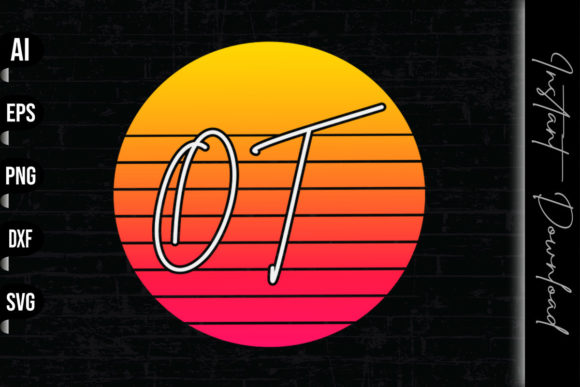
As a designer and embroidery product reviewer, I always start by looking at the mood and visual personality of a design before considering its practical use. Retro OT Occupational Therapist has a nostalgic, vintage feel that immediately suggests a retro-inspired aesthetic. The layout is clean, with a strong central image that feels both professional and approachable. It’s the kind of design that could work well in a variety of settings, from personalized gifts to commercial products.
The First Impression: A Nostalgic Visual Statement
Retro OT Occupational Therapist carries a warm, classic vibe that makes it ideal for projects targeting a mature audience or those looking for a vintage touch. The shape and theme are straightforward, making it easy to adapt across different mediums. Its simplicity allows for versatility without sacrificing character. Whether used on a baby onesie or a custom tote bag, the design maintains a clear identity and visual appeal.
The detail level is moderate—enough to make the design stand out but not so intricate that it becomes overwhelming. This makes it suitable for both beginners and experienced embroiderers who want a reliable, repeatable design. The overall look feels like it belongs in a handmade or boutique setting, where quality and craftsmanship matter.
Real-World Embroidery Use Cases
When considering where to apply Retro OT Occupational Therapist, the design fits naturally into several common embroidery projects. For example, a custom embroidered tote bag featuring this design would be perfect for a small business owner looking to create branded merchandise. Similarly, a sweatshirt with Retro OT Occupational Therapist could serve as a thoughtful, personalized gift for someone in the healthcare or therapeutic field.
It also works well as an embroidered patch for a jacket or backpack, adding a subtle yet meaningful touch. On baby clothes, the design can be a charming addition to a onesie or sleeper, especially if the parent is an occupational therapist or has a connection to the profession. The design’s clarity and structure make it ideal for such applications, ensuring that the final product looks polished and professional.
Where to Be Cautious: Design Limitations and Practical Considerations
While Retro OT Occupational Therapist is versatile, there are certain situations where it may require extra care. For instance, using it on small hoop sizes might limit the design’s full potential, especially if the details are too fine. Textured fabrics or thin materials could cause the stitches to appear uneven or less defined. Similarly, stretchy fabrics may distort the design slightly after washing or wear.
On dark fabrics, the contrast between the design and the background might need adjustment, depending on the thread colors chosen. If the design includes intricate corners or tiny lettering, these areas could become less visible or distorted during stitching. It’s also important to consider the stitch density—too much or too little could affect the overall appearance and durability of the finished product.
Impact on Visual Appeal and Customer Perception
When it comes to visual appeal, Retro OT Occupational Therapist holds its own. The design is clean and recognizable, which helps in building brand consistency and customer trust. As a handmade product or personalized gift, it adds value by offering a unique, crafted element that customers appreciate.
For a craft business or Etsy seller, the design can be a strong asset in listings. Its nostalgic style appeals to a broad audience, and its adaptability means it can be used across multiple product types. Whether it's a printed mockup for a client or a digital product preview, Retro OT Occupational Therapist offers a professional look that enhances buyer engagement.
Practical Designer Notes: Testing and Preparation
Before committing to a project, I always recommend testing any machine embroidery design on scrap fabric. This helps identify any issues with stitch density, stabilizer use, or thread color contrast. For Retro OT Occupational Therapist, it’s especially important to check how the design looks in black and white mockups, as this can reveal any hidden details or inconsistencies.
Reviewing the design on both light and dark fabric backgrounds is also key. Some elements may not show up as well on certain colors, so adjusting the thread colors accordingly can make a big difference. Using the right stabilizer is crucial, especially when working with delicate or stretchy fabrics. Proper preparation ensures that the final product looks as intended and stands up to regular use.
Another consideration is whether the design is suitable for both personal and commercial projects. If you’re planning to sell items made with Retro OT Occupational Therapist, confirm the licensing terms to avoid any legal issues. Always double-check the file formats and hoop size compatibility, even if they aren’t explicitly mentioned in the product description.
Final Thoughts: A Reliable Choice for Vintage-Inspired Projects
Retro OT Occupational Therapist is a solid choice for designers and crafters looking for a vintage-themed embroidery design. Its clean layout, moderate detail level, and adaptable nature make it suitable for a wide range of projects. From custom apparel to personalized gifts, it offers both visual appeal and practicality.
Whether you're an Etsy seller, a small shop owner, or a hobbyist, this design can be a valuable addition to your collection of design assets. With proper testing and attention to detail, Retro OT Occupational Therapist can help elevate your handmade products and bring a touch of nostalgia to your embroidery projects.