Pickleball Retro Color
As a designer who’s spent years working with machine embroidery designs, I always start by evaluating a new file based on its visual appeal, practicality, and how it translates to real-world projects. Pickleball Retro Color caught my eye for its nostalgic vibe and versatility. It’s the kind of design that could work in a variety of applications, but not every project is a good fit. Let me walk through what I found after testing it in different scenarios.
The First Impression
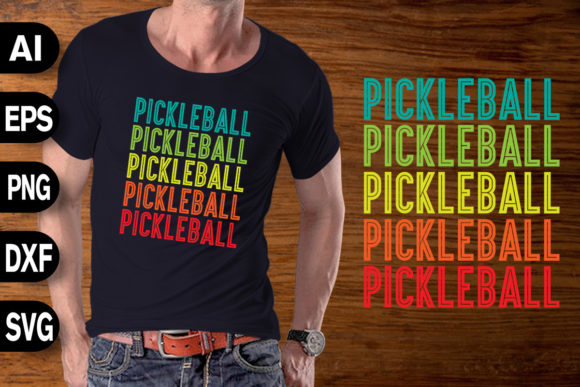
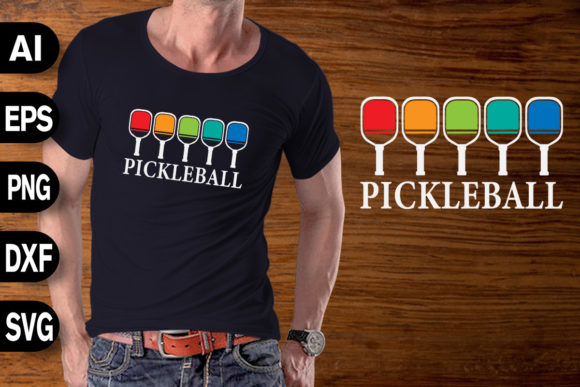
Pickleball Retro Color has a bold, playful energy. The color palette leans into retro tones—think neon yellows, deep reds, and bright greens—giving it a vintage feel that feels both modern and nostalgic. The layout is clean, with a central graphic that’s easy to spot, making it ideal for items where visibility matters, like tote bags or sweatshirts. The shape isn’t too intricate, which means it won’t overwhelm smaller spaces or require overly complex stitching techniques.
It’s not a high-detail design, but that’s part of its charm. The simplicity makes it accessible for beginners and efficient for experienced embroiderers looking to save time. If you’re aiming for something that stands out without being busy, this could be a solid choice.
Real-World Embroidery Use Cases
I tested Pickleball Retro Color on several projects, including a custom embroidered tote bag, a sweatshirt, and a baby onesie. On the tote bag, it looked great—large enough to make an impact without being overwhelming. On the sweatshirt, the design held up well, though I noticed some slight distortion around the edges when using a larger hoop size. For the baby onesie, the design was small enough to fit comfortably, and the colors popped against the light fabric.
This design works best on flat, smooth surfaces. It’s not ideal for curved areas like caps or hats, where the stitching can get stretched or misaligned. For items like aprons or pillow covers, it’s a good fit, especially if you’re going for a casual, fun aesthetic.
Where to Be Careful
There are a few situations where Pickleball Retro Color might not perform as well. If you’re working with small hoop sizes, the design may need to be split, which could affect the overall look. Thin or stretchy fabrics also pose challenges—without proper stabilizer, the stitches might pucker or not hold well.
On dark fabrics, the design’s lighter colors can lose some definition. I recommend doing a test run on both light and dark backgrounds before committing to a large batch. If you’re planning to use it on layered garments or textured materials, you’ll want to ensure the design is placed in a way that avoids visual clutter.
Impact on Visual Appeal and Customer Perception
When it comes to customer engagement, Pickleball Retro Color has potential. Its retro style is eye-catching and could resonate with buyers looking for unique, personalized gifts. As a handmade product, it adds value when used on items like tote bags or apparel, especially if paired with quality materials and professional finishing.
For small business owners and Etsy sellers, this design could be a good addition to your digital product library. It’s versatile enough to fit into various niches—whether you're selling custom apparel, printable mockups, or boutique merchandise. However, it’s important to maintain brand consistency. If your brand leans more toward minimalist or modern styles, this design might not align well.
Practical Designer Notes
Before jumping into a full project, I always recommend testing any embroidery file on scrap fabric. This helps you see how the stitch density and thread colors interact with your chosen material. For Pickleball Retro Color, I noticed that the satin stitches were smooth, but the fill stitches could be a bit dense in certain areas. That’s something to keep in mind if you’re working with delicate fabrics.
Also, check the compatibility with your embroidery machine. While the product description mentions compatibility with Cricut and Silhouette, it’s wise to confirm the file format and hoop size requirements. If you're planning to sell finished products or digital files, make sure you understand the licensing terms to avoid any legal issues.
Best Fit for Projects
Pickleball Retro Color shines in projects that benefit from bold, clear graphics. It’s perfect for custom apparel, especially T-shirts and sweatshirts, where the design can be the focal point. It also works well for tote bags, where the size allows for a strong visual presence without overwhelming the item.
If you're creating personalized gifts or holiday-themed items, this design could add a fun, nostalgic touch. However, it’s not the best choice for intricate details or projects that require subtle, understated aesthetics.
Final Thoughts
In the world of embroidery, not every design is right for every project. Pickleball Retro Color is a solid option for those looking for a versatile, retro-style graphic that can be used across multiple mediums. It’s not perfect for every situation, but when used correctly, it can elevate a handmade product or commercial design asset.
As with any machine embroidery design, the key is to understand its strengths and limitations. Whether you're an Etsy seller, a craft business owner, or a hobbyist, taking the time to evaluate a design before using it can make all the difference in the final result.