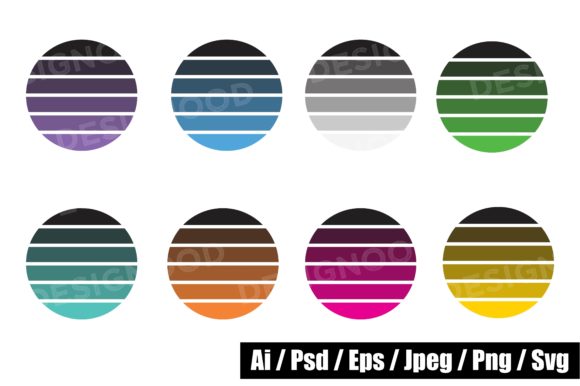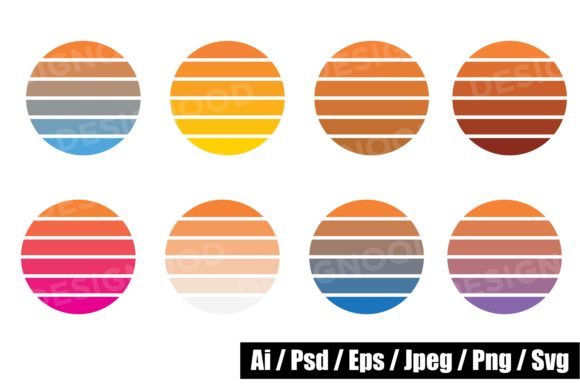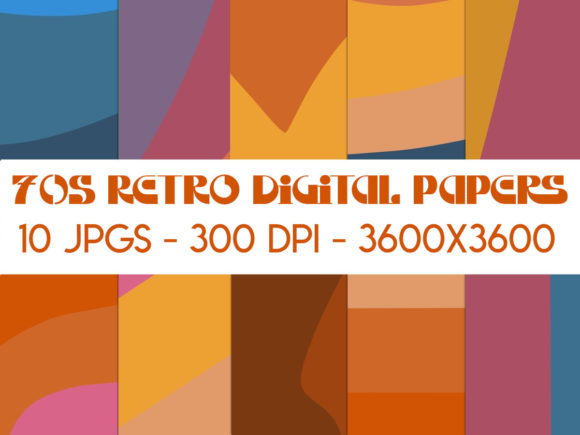
70s Retro Digital Papers
As an embroidery designer with years of experience, I always start by evaluating a new design based on its visual mood, technical suitability, and real-world application. 70s Retro Digital Papers is a set of ten background JPEGs that promise a nostalgic aesthetic perfect for creative projects. But what does it really bring to the table when it comes to actual embroidery work?
The First Impression: Nostalgia Meets Modern Design
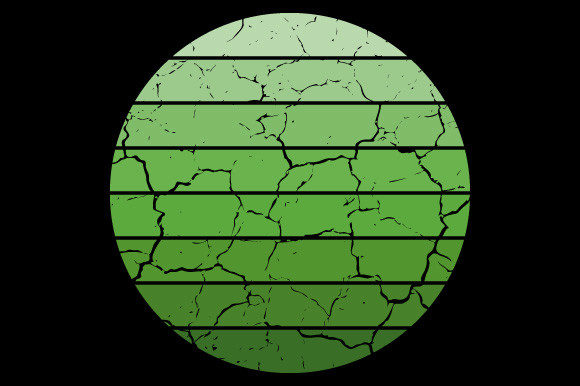
The first thing that stands out about 70s Retro Digital Papers is its bold, retro vibe. The patterns evoke a sense of 70s digital art—think pixelated textures, geometric shapes, and vibrant color palettes. These designs feel like they could have been pulled from a vintage computer screen or a retro poster. The layout is clean, with enough detail to make an impact without overwhelming the eye.
Each JPEG is 3600x3600 pixels at 300 DPI, which means they’re high-resolution and suitable for both print and digital use. However, as a designer, I immediately think about how these will translate into machine embroidery. Will the details hold up? Can they be adapted for different fabric types? These are the questions that matter most when considering a design for real project use.
Real-Life Use Case: Custom Embroidered Tote Bag
Imagine a client wants a custom tote bag for a boutique shop. They’re looking for something unique, modern, and on-trend. 70s Retro Digital Papers could be a great fit here. The retro aesthetic pairs well with casual, lifestyle-oriented branding. But there are some considerations.
For a tote bag, the design needs to be large enough to be visible but not so detailed that it becomes too busy. The patterns in this set have a good balance, allowing for clear stitching without overcomplicating the piece. However, if the design includes intricate elements, they may need simplification for machine embroidery.
Another factor is the fabric type. A tote bag is usually made from a heavier cotton or canvas, which is ideal for holding up to detailed stitches. But if the client prefers a lighter fabric, the design might require adjustments in stitch density or stabilizer use to prevent puckering or distortion.
Where It Shines: Apparel, Patches, and Personalized Gifts
70s Retro Digital Papers works well for custom apparel like sweatshirts, t-shirts, and caps. The retro theme can add a fun, eye-catching element to a garment. For patches, the design’s clarity and detail make it a solid choice, especially if the patch is meant to be a standalone piece.
Personalized gifts, such as baby items or holiday decorations, also benefit from this design. The nostalgic feel adds a unique touch that can make a gift more memorable. However, I’d recommend testing the design on a small scale before committing to a larger project. Some patterns may look great on a screen but require tweaking for embroidery.
Where to Be Cautious: Fabric and Stitching Challenges
While 70s Retro Digital Papers has a lot to offer, there are areas where caution is needed. Small hoop sizes can be a problem if the design requires a larger area. If the pattern has intricate corners or tiny details, it may not fit well in a small hoop, leading to incomplete or distorted stitching.
Textured fabrics, thin materials, or stretchy garments can also pose challenges. The design’s complexity may not translate well to these surfaces, and additional stabilizer support may be necessary. Dark fabrics can also affect the visibility of certain colors, so it’s important to check thread color contrast before finalizing a design.
For layered garments or curved surfaces like caps, the design might need to be adjusted for proper placement and stitching. Dense stitch areas or decorative accents can cause bulkiness, so it’s worth considering the overall weight and comfort of the finished product.
Impact on Visual Appeal and Customer Perception
When used correctly, 70s Retro Digital Papers can elevate the visual appeal of a handmade product. It adds a unique, artistic flair that can set a product apart from the competition. This can be especially valuable for Etsy sellers or small shop owners looking to create standout items.
Stitching clarity is another key factor. If the design is too detailed, it may not translate well into embroidery, leading to a less polished finish. On the other hand, a well-optimized design can enhance the professionalism of a finished product, increasing customer trust and satisfaction.
For commercial embroidery projects, the design’s versatility is a big plus. It can be used across multiple products, from clothing to home decor, making it a valuable asset for a craft business. However, it’s important to ensure that the design meets all licensing requirements before selling any finished items or digital products.
Practical Designer Notes: Test, Adjust, and Optimize
Before using 70s Retro Digital Papers in a real project, I always recommend testing it on scrap fabric. This allows you to see how the design looks in practice and identify any potential issues. Check the thread color contrast, review the stitch density, and confirm the hoop size needed for the design.
Inspect small details closely, especially if the design includes fine lines or text. Testing the design in black and white mockups can help determine how it will look on different fabric backgrounds. Also, consider how it will appear on both light and dark fabrics to ensure versatility.
Proper stabilizer use is essential, especially for delicate or stretchy fabrics. Make sure the design works for both personal and commercial projects, and always verify the licensing terms before selling any finished items or digital products.
Final Thoughts: A Fun, Versatile Design with Room for Growth
70s Retro Digital Papers is a fun and versatile set of background JPEGs that can add a unique touch to a variety of embroidery projects. Its retro aesthetic makes it ideal for custom apparel, personalized gifts, and boutique merchandise. However, its success depends on how well it’s adapted for real-world use.
With careful consideration and testing, this design can become a valuable addition to any embroidery portfolio. Whether you're an Etsy seller, a small business owner, or a creative entrepreneur, 70s Retro Digital Papers offers a fresh, nostalgic option that can stand out in a crowded market.